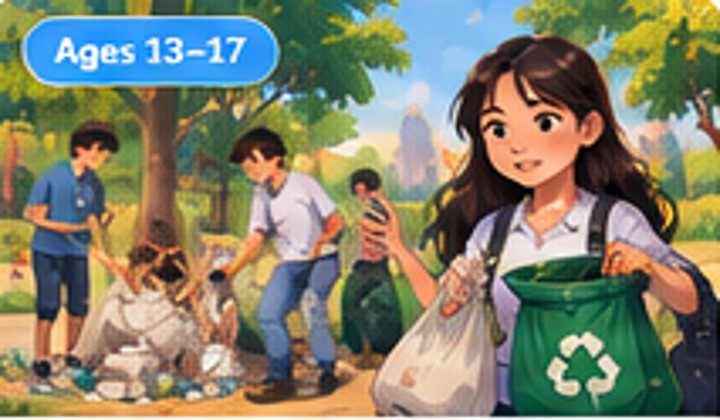
One Plastic Less
Subjects: English • Math • Environment • Value: Initiative & Stewardship
A group of friends noticed that their school canteen used hundreds of disposable cups each week. Instead of only complaining, they counted the cups used during three lunch periods and estimated the monthly total. They proposed a “Bring Your Own Tumbler” week, designed posters, and asked the canteen to offer a small incentive. Their first plan was imperfect: some students forgot containers and one water station became crowded. The group collected feedback and adjusted the system. By the end of the month, disposable cup use had fallen. The students learned that responsible environmental action needs more than good intentions—it needs evidence, planning, cooperation, and willingness to improve a weak first attempt.
Moral Lesson
Small actions become meaningful when they are measured, organized, and sustained.
🦉 Kuwago asks
What choice or value mattered most in One Plastic Less? Explain how you could apply it in real life.
🇵🇭 Curriculum Connections — Teens • MATATAG Grade 7 connection
Learning connection
Use evidence and data to evaluate whether a small environmental intervention creates meaningful change.
About this connection: Gabay Learning Academy is an independent learning platform. These learning experiences connect with selected competencies and principles in the Philippine basic-education curriculum. This does not imply Department of Education endorsement, accreditation, or approval.
Bloom's Taxonomy Challenge
Move from remembering the story to creating something new. Your responses stay on this device.
What single-use item did the character decide to reduce?
Why can one repeated habit matter over time?
Calculate one plastic item you could avoid for 30 days.
What personal and community factors make reducing plastic difficult?
Which solution is most realistic for your community and why?
Create a practical 7-day “one plastic less” challenge.